
Expat Life in Costa Rica: What Is Living in Costa Rica Really Like?

Expat life in Costa Rica captivates those envisioning a move abroad. It appeals to retirees, families, remote workers, entrepreneurs, and digital nomads seeking greater balance, immersion in nature, and community. For many newcomers, relocating means more than finding a warm destination—it means creating a calmer, healthier, and more meaningful daily routine.
Expat life in Costa Rica also attracts people who are ready for a change in values. They want less pressure and more time. They want to spend less of their lives stuck in traffic and more time outdoors. They want a place where family, friendship, and simple moments still matter.
At the same time, daily life in a new country is never just a postcard. People want to know what life is really like after the move. They want to know how to make friends, where to shop, how to find schools, how to get into a routine, and what helps them feel at home. Those everyday details are what turn a relocation into a real life.
In this guide, we will discuss day-to-day expat life in Costa Rica, the reasons many choose it, how newcomers build community, the challenges they may face, and how NomaVida supports expats in settling in with greater ease and confidence.
Why Do So Many People Choose Expat Life in Costa Rica?
Many choose Costa Rica for a better quality of life, drawn by the inviting weather, abundant nature, and a warm culture. These aspects become real once people arrive.
The country is renowned for its beaches, mountains, rainforests, and abundant wildlife. In many regions, you can begin your day with coffee and birdsong, work through the morning, and still have time to enjoy a sunset or stroll along the beach in the evening. That transforms the pace of life for many people.
Many expats also talk about the emotional side of the move. They feel less rushed. They feel more present. They spend more time outdoors, with family, and doing things that support well-being. The phrase pura vida is not just something people say. It reflects a way of seeing life that values gratitude, simplicity, and connection.
Costa Rica appeals to parents who want their children to enjoy more nature, greater freedom, and stronger family ties. Many seek a bilingual, globally aware upbringing, and Costa Rica provides this opportunity.
Once you understand why Costa Rica draws so many expats, you may wonder what daily routines actually look like.
Daily routines shift here in subtle but notable ways. Many expats wake earlier, drawn by sunlight and mild temperatures. There is often a natural tendency toward a slower, more grounded start to the day.
A normal day might begin with Costa Rican coffee on a patio, a walk with the dog, or a drive through green hills on the way to school or work. Remote workers may start online early, then take a break for lunch at a local soda or cafe. Parents may spend part of the day running errands, dropping off or picking up children, or meeting other families. Retirees may fill their days with exercise, language classes, or community activities.
Food becomes part of the lifestyle, too. Many expats enjoy buying more often fresh fruit, vegetables, eggs, fish, and other local products. There is something grounding about shopping directly from the source and eating food that tastes fresh and seasonal.
Life here unfolds outdoors. People spend more time walking, swimming, surfing, hiking, practicing yoga, or simply relaxing with friends. Even on busy days, the surroundings promote a sense of balance.
After settling into everyday life, most expats’ next step is to build a community in Costa Rica.
One of the biggest questions newcomers ask is how to meet people. That matters because community is what makes a place feel like home.
A simple place to start is the gym. Many expats make their first local friends there. Seeing the same faces a few times each week makes it easier to start conversations. Over time, a quick hello can turn into coffee after class, a beach day, or a dinner invitation. Gyms can be among the easiest, low-pressure places to meet both locals and other expats.
Yoga studios can also be wonderful places to build community. They attract people who care about wellness and often create a friendly, open atmosphere. For many newcomers, joining a local yoga studio helps them settle into a routine while also meeting people who share similar values.
Classes are another smart way to build a social life. Spanish lessons help newcomers learn the language and feel more comfortable in daily life. They also create a natural way to meet others who are going through the same transition. Guitar lessons, cooking classes, art workshops, and other local activities can do the same thing. These spaces give people something easy to talk about, helping friendships grow naturally.
Coworking spaces can also play a big role, especially for remote workers and entrepreneurs. Many beach towns and city neighborhoods have strong communities built around work, coffee, and shared interests. These spaces often lead to both friendships and business connections.
For expat families, the process of building community often starts differently than for singles or couples.
For families, school is often one of the first places where community begins. Parents meet during drop off, school events, sports, and birthday parties. Those everyday moments matter a lot when you are starting over in a new country.
Many expat families choose bilingual private schools, especially schools that teach in English or have strong English programs. These schools can help children adjust more smoothly while also giving them the chance to grow in both English and Spanish. For parents, they also create a natural place to meet other families who understand the expat experience.
Those school connections often grow fast. Parents share advice, help each other find services, and invite one another into local routines. For many newcomers, some of their strongest first friendships in Costa Rica begin through their children’s school life.
This is especially meaningful for families who want their children to grow up bilingual and internationally minded. Lynette, Co-Founder of NomaVida, moved to Costa Rica in the late 1990s as an expat and raised her children here. That experience gave her a deep understanding of what families need during the transition, not just on paper, but in real daily life.
Beyond community, experiencing local culture is an essential part of making Costa Rica feel like home.
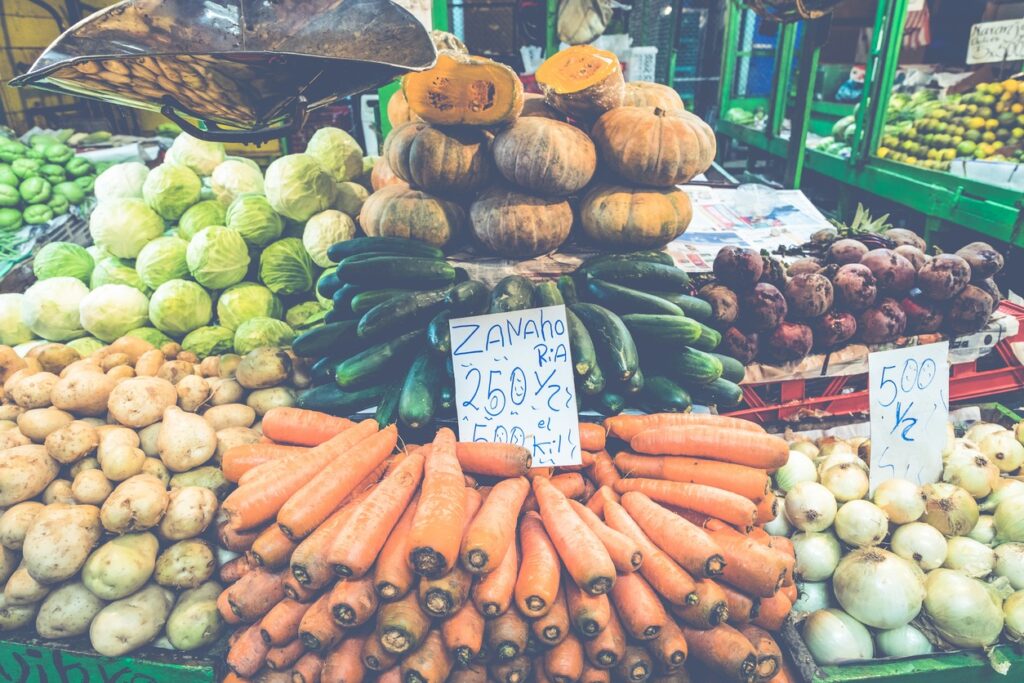
Part of settling in is learning where local life happens. In San Jose, one standout example is Feria Verde de Aranjuez, an organic market that brings together food, local products, and community in one lively setting. The market describes itself as a healthy living space in San Jose built around fresh flavors, exchange, and sustainable living. (Feria Verde)
Places like Feria Verde matter because they help newcomers connect to the rhythm of local life. You are not just shopping. You are meeting growers, trying foods, hearing music, and seeing what people care about. Many expats say these kinds of places help them feel rooted much faster.
The same is true in many beach towns and mountain communities. Areas with strong expat populations often have farmers’ markets featuring local produce, handmade goods, baked goods, coffee, prepared foods, and a casual community vibe. These spaces become part of many people’s weekly routines. They are useful, social, and a good way to feel part of the place you live in.
Staying informed is another important step in adapting to expat life in Costa Rica.
Getting settled also means learning how to follow local news and understand what is happening in the country. One useful resource for many newcomers is The Tico Times, which describes itself as Costa Rica’s leading English-language newspaper and covers news, travel, business, expat life, and public affairs.
For many expats, reading an English-language news source helps bridge the gap in the early months. It can help them understand local events, policy changes, culture, and practical issues as they continue to improve their Spanish. It also helps people feel more connected to the country they now call home.
Over time, many expats combine English-language news with Spanish-language media, conversations with neighbors, and direct experience. That mix helps them better understand Costa Rica from multiple perspectives.
In addition to local newspapers like the Tico Times and La Nación , there are also many Facebook groups for the expat community. For example:
While there are many benefits to expat life in Costa Rica, there are also common challenges to consider.
Even when the move is exciting, there are still challenges. Language is one of the biggest. Many newcomers arrive with limited Spanish, and that can make daily tasks feel harder at first. Simple things like making appointments, reading official documents, speaking with service providers, or handling health care can take more effort.
There is also the adjustment to local systems. Things may work differently than they do in the United States or Canada. Processes can take longer. Communication styles can feel less direct. Newcomers sometimes have to learn patience as much as procedure.
The slower pace of life can also be an adjustment. Many expats say they came to Costa Rica because they wanted a calmer lifestyle, but living inside that pace can take time. At first, some people feel frustrated when things do not move as quickly as they expect. Later, many come to see this shift as one of the biggest gifts of living here.
Social adjustment is real, too. Starting over takes energy. It takes effort to build new routines, make friends, and feel comfortable in a new culture. That is normal. Most people settle in more easily when they have good support and realistic expectations.
How Does NomaVida Support Expat Life in Costa Rica?
NomaVida helps make the move into expat life in Costa Rica smoother, clearer, and less stressful. The company supports newcomers with the practical side of relocation while also helping them feel more confident in daily life.
Silvia and Lynette are the Co-Founders of NomaVida. Silvia is the Lead Costa Rica Concierge, and her role is deeply hands-on. She helps clients navigate local services, understand options, communicate clearly, and feel supported through the details that can otherwise feel overwhelming. Lynette brings the lived experience of being an expat who moved to Costa Rica in the late 1990s and built a real life here.
That combination matters. NomaVida understands both sides of the experience. It understands local systems, but it also understands what the move feels like from the expat point of view.
This support can include help with paperwork, communication, local coordination, settling in, and practical daily needs. It can also mean helping clients feel less alone during a major life change. When people know who to call, who to trust, and how to move through each step, they can focus more on enjoying their new life.
What Makes Expat Life in Costa Rica Feel So Different?
What makes expat life in Costa Rica stand out is not just one thing. It is the way many positive things come together at once.
It is the beauty of the landscape and the warmth of the people. It is the mix of local culture and the international community. It is the fact that daily life can feel simpler without feeling empty. It is the chance to raise children differently, build healthier routines, and create a life with more space in it.
Many expats say they came for the climate or the scenery, but stayed because of how life felt once they were here. They found new friendships, new habits, and a new idea of what a good life could look like. That is what makes the experience so powerful for many people.
How Can You Begin Expat Life in Costa Rica With Confidence?
Starting expat life in Costa Rica begins with research, planning, and a clear sense of what kind of life you want to build. It helps to learn about different regions, understand your daily needs, and think about how you want to connect with the community once you arrive.
It also helps to know that building a life here is not only about visas and paperwork. It is about routine, belonging, friendships, schools, health care, language, and knowing where to go for help. Those are the things that shape daily life after the move.
NomaVida helps expats navigate that transition with bilingual guidance, local knowledge, and real experience. Whether you are moving on your own, with a partner, or with children, the right support can make the process feel much more manageable.
Get more information, request a quote, contact us today, or book your appointment now to learn how NomaVida can help you begin expat life in Costa Rica with confidence.