
Cost of Living in Costa Rica: What Should Expats and Digital Nomads Expect?

Understanding expenses is one of the first priorities before moving to Costa Rica. This matters to retirees, remote workers, families, and entrepreneurs who need to know how far their income will go. Costs can feel very different depending on whether you live in the GAM, a mountain town, or a popular beach area.
This section details why people are drawn to Costa Rica—including interests in nature, work-life balance, private health care, or bilingual education—and why newcomers research day-to-day costs before relocating.
The good news is that living in Costa Rica can still be more affordable than in the United States overall. One recent comparison estimates average expenses are about 47 percent lower than in the United States, though that gap can narrow in touristy areas or when people rely heavily on imported goods and premium housing.
In this guide, we will walk through the cost of living in Costa Rica in simple terms. We will cover housing, food, transportation, health care, schools, imported goods, and lifestyle choices. We will also explain how NomaVida helps expats and digital nomads relocate with more clarity and confidence. Co-founders Lynette and Silvia Garet live and work in the GAM, so NomaVida understands daily life costs in Costa Rica firsthand, as well as through helping clients relocate.
Why research the cost of living in Costa Rica before making the move?
People research the cost of living in Costa Rica to see whether the lifestyle they imagine matches the budget they actually have. Someone moving from California, New York, or even many mid-sized American cities may find that housing, local food, and private health care can be lower in Costa Rica than back home. At the same time, cars, imported electronics, branded clothing, and specialty groceries can be surprisingly expensive. (Costa Rica Immigration)
There is no single cost figure for everyone. A digital nomad in the Central Valley has a different budget than a family near Tamarindo. A retiree cooking at home spends differently from someone buying imports, using private schools, and dining out often.
This flexibility is part of Costa Rica’s appeal. People can shape lifestyles to their priorities—living simply to save or choosing a premium lifestyle that often still costs less than in major U.S. cities.
What’s the Overall Cost of Living in Costa Rica?
Let’s examine how housing costs shape the overall cost of living in Costa Rica, and the variables expats and digital nomads should consider.
Housing is usually the biggest factor in the cost of living in Costa Rica. It can also be the category with the widest range. One current guide for expats estimates that a one-bedroom rental in the Central Valley often falls around $600 to $900 a month, while smaller towns may offer options closer to $400 to $600. That same source notes that touristy coastal towns often run higher. (Costa Rica Immigration)
Location makes a big difference. In the GAM, you may find apartments, complexes, townhouses, and gated communities near shopping and services. Beach areas like Tamarindo, Nosara, and Santa Teresa have higher rents due to demand from expats and nomads.
Buying can also look different from what many Americans expect. Some market comparisons aimed at expats show Costa Rican home prices are often below comparable homes in many U.S. metro areas, though the exact figure depends heavily on the region, property type, and whether the home is near the coast. (Costa Rica Immigration)
For many newcomers, the smartest move is to rent first. That gives them time to learn the neighborhood, understand commute times, test internet quality, and decide whether they want apartment living, a single home, or a property inside a gated community.
What Is Housing Like in the GAM for Expats and Digital Nomads?

For many expats, the GAM offers one of the best mixes of comfort and convenience. Costa Rica’s official tourism site describes the Central Valley as home to the capital city, museums, restaurants, and access to nearby natural attractions. That is one reason so many newcomers choose it as their first home base. (Visit Costa Rica)
The GAM appeals to those wanting hospitals, universities, private schools, shopping, dining, and entertainment. It lets people enjoy city life, plus easy weekend access to mountains and beaches. The University of Costa Rica is a major draw for families and students in this area.
Lynette and Silvia Garet, the co-founders of NomaVida, live and work in the GAM. With their local knowledge, they provide NomaVida clients with individualized support, from budgeting to finding housing and navigating services, making the transition to Costa Rica smoother. This expertise helps NomaVida guide clients in comparing costs between city living, beach towns, and quieter inland communities.
Now, we’ll address the role of food and groceries in the Costa Rica cost of living and options that influence typical expenses for expats and digital nomads.
Food is another major part of the cost of living in Costa Rica, and the difference often comes down to whether you buy local or imported. Local produce, rice, beans, eggs, and many fresh basics can be very reasonable. One 2026 expat cost guide estimates local food and grocery costs around $250 to $400 per person each month, while a more imported or specialty grocery style may land closer to $500 to $800 per person. (Costa Rica Immigration)
This lines up with broader cost comparisons showing some staple foods in Costa Rica at or below U.S. prices, while others, especially packaged items and imported products, can run higher. Cost-of-living data, for example, shows Costa Rica beating the U.S. on several basics, such as rice, eggs, chicken, and some produce, while some household items and imported brands cost more. (Livingcost)
Expats cut food costs by shopping at local markets and adopting local habits. Costa Rica offers fresh staples for a healthy, affordable lifestyle. Choosing imported goods and upscale groceries quickly erases those savings.
Next, we’ll look at how restaurant expenses factor into the cost of living for expats and digital nomads in Costa Rica.
Restaurants are affordable if you eat like a local. Meals at sodas cost $6–$10; mid-range restaurants are $12–$20—often less than in the U.S. (Costa Rica Immigration)
This is one reason many expats feel the lifestyle here is balanced. They can cook at home most days, eat fresh food, and still enjoy going out without spending as much as they might in major North American cities. In more touristy beach towns, restaurant prices may climb, especially in high season or in places aimed mainly at visitors.
In this section, we’ll examine how different modes of transportation affect the total cost of living in Costa Rica.

Transportation costs depend on location and preferences. Public buses connect cities and towns and are budget-friendly. Some expats pick walkable areas or towns. Others prefer owning a car.
Owning a car in Costa Rica often costs more. A recent expat guide says cars are 20–30% pricier than in the U.S. due to import taxes. Monthly ownership adds $150–$300 for fuel, insurance, and maintenance. (Costa Rica Immigration)
Gasoline also tends to run higher than in the United States. Livingcost’s comparison currently shows fuel at about $1.42 per liter in Costa Rica versus about $0.91 in the U.S. (Livingcost)
Transportation can help or hurt your budget. Living in a convenient GAM area may mean less driving than living in a remote beach or mountain town.
This section discusses what expats can expect when budgeting for health care costs in Costa Rica.
Health care is one area where many expats feel Costa Rica offers strong value. A current 2026 expat guide estimates public Caja contributions for many residents at roughly $40 to $150 per person monthly, while private insurance may add another $80 to $200. That same guide puts a general doctor visit at around $50 to $70 and specialist visits at around $80 to $150. (Costa Rica Immigration)
Those figures are much lower than what many Americans are used to paying for insurance plus out-of-pocket care. Living Cost also shows average doctor visit pricing in Costa Rica below the U.S. comparison figure. (Livingcost)
Costa Rica’s health care attracts retirees and families. Residents feel they can access public and private care more easily. The savings go beyond money—many value the improved quality of life that comes with reduced cost pressure.
How Much Does Private Education Cost in Costa Rica?
Families often want to understand school costs early in the planning process. One current expat guide estimates private school tuition in Costa Rica at roughly $800 to $2,000 per child each month, with many bilingual options available. (Costa Rica Immigration)
This can still be a meaningful monthly expense, but for some families, it is lower than comparable private school costs in major U.S. cities. Livingcost’s cross-country comparison also shows daycare and international primary school costs below U.S. averages. (Livingcost)
For families choosing the GAM, access to schools can be a major advantage. The region offers many educational options and easier daily logistics for school runs, after-school activities, and medical care.
Do Imported Goods Cost More in Costa Rica?
Yes, and this is one of the most important reality checks for newcomers. Imported goods often cost more in Costa Rica. A recent expat cost guide says clothing, electronics, and other imported items can cost 20 to 50 percent more due to taxes and import fees. (Costa Rica Immigration)
That means the cost of living in Costa Rica can feel very reasonable when you live locally, but less so if you want to recreate a fully U.S.-style shopping pattern. Mall shopping, brand-name items, imported household goods, and frequent purchases of foreign products can raise your monthly expenses much faster than expected.
How Do Lifestyle Choices Change the Cost of Living in Costa Rica?
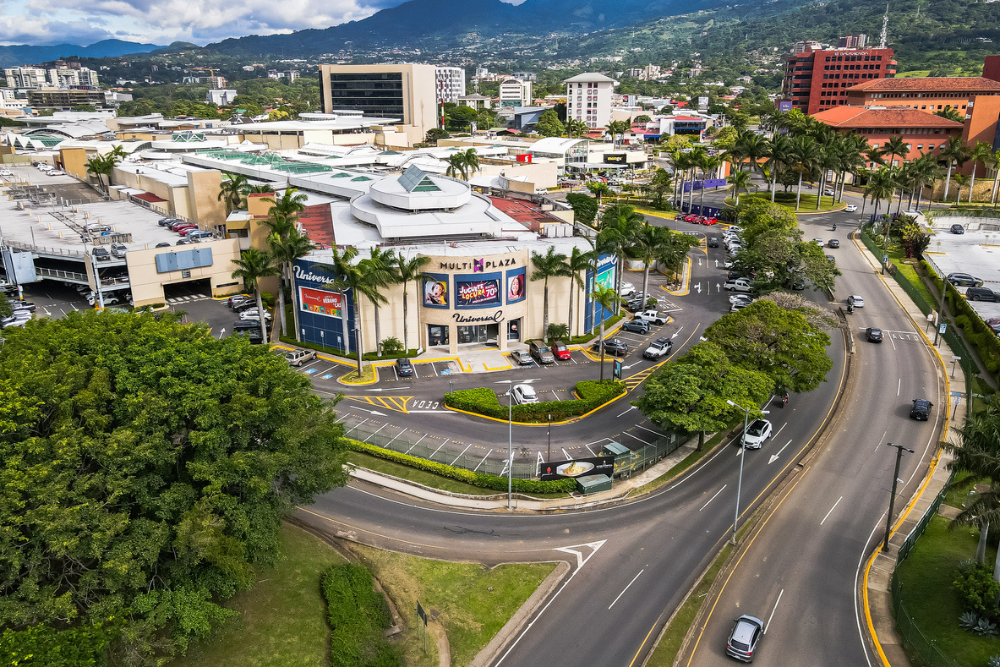
Lifestyle is everything. A single remote worker in the Central Valley who rents a modest apartment, shops locally, and uses public transit may live comfortably on a much leaner budget than a family renting a high-end beach house and driving everywhere.
Livingcost currently estimates Costa Rica’s average monthly cost for one person to be around $1,328, compared with about $2,515 in the United States. Other expat-focused sources put a comfortable single-person budget around $1,200 to $1,500 a month and a family of four around $3,000 to $5,000, depending on where and how they live. (Livingcost)
That range matters. Costa Rica can be budget-friendly, but it can also become expensive if you pick a premium location and keep expensive habits from back home. In simple terms, local living saves money. Imported living costs more.
How Does NomaVida Help Expats Navigate the Cost of Living in Costa Rica?
NomaVida helps clients understand that the cost of living is not just a number. It is a set of daily choices tied to where you live, how you get around, what type of home you choose, and what kind of lifestyle you want to build.
That is where local guidance makes a real difference. NomaVida helps expats and digital nomads think through housing, neighborhoods, transportation needs, paperwork, communication with providers, and the practical side of settling in. This helps people avoid expensive mistakes, such as renting in the wrong area, choosing a home that does not fit their daily routine, or underestimating how much imported shopping can affect their budget.
Because Lynette and Silvia Garet live and work in the GAM, NomaVida also offers firsthand insight into one of the country’s most popular areas for newcomers. They know the balance many clients want between nature, convenience, and daily life costs.
What Should You Expect After Moving to Costa Rica?
Many people say life feels different after the move, and not only because of the budget. Nature becomes part of the routine. Fresh food is easier to find. Time outdoors becomes more normal. Even when costs in some categories are not dramatically lower, the overall quality of life can still feel much better.
That is why the cost of living in Costa Rica is best understood in the context of a bigger picture. The question is not only what things cost. The question is what kind of life the budget buys you.
For many expats and digital nomads, the answer is a slower pace, better weather, more time outside, and a stronger sense of balance. Costa Rica may not be cheap in every category, but for many people it still offers excellent value.
How Can You Plan Your Move to Costa Rica with Confidence?
Understanding the cost of living in Costa Rica is one of the smartest first steps you can take before relocating. It helps you build a real budget, choose the right region, and decide which parts of your lifestyle matter most.
Costa Rica can offer lower overall costs than the United States, especially in housing, local food, and health care, but the savings depend on how and where you live. Tourist beach towns, imported goods, and car ownership can raise your costs, while the GAM and many inland areas may offer more budget flexibility. (Livingcost)
NomaVida helps expats and digital nomads navigate that move with bilingual support, local knowledge, and practical relocation help. If you are planning your move and want help organizing the relocation process, get more information, request a quote, or book your appointment now to learn how NomaVida can help you relocate to Costa Rica with confidence.