
The Costa Rica Digital Nomad Visa : How Can Remote Workers Live and Work Here?
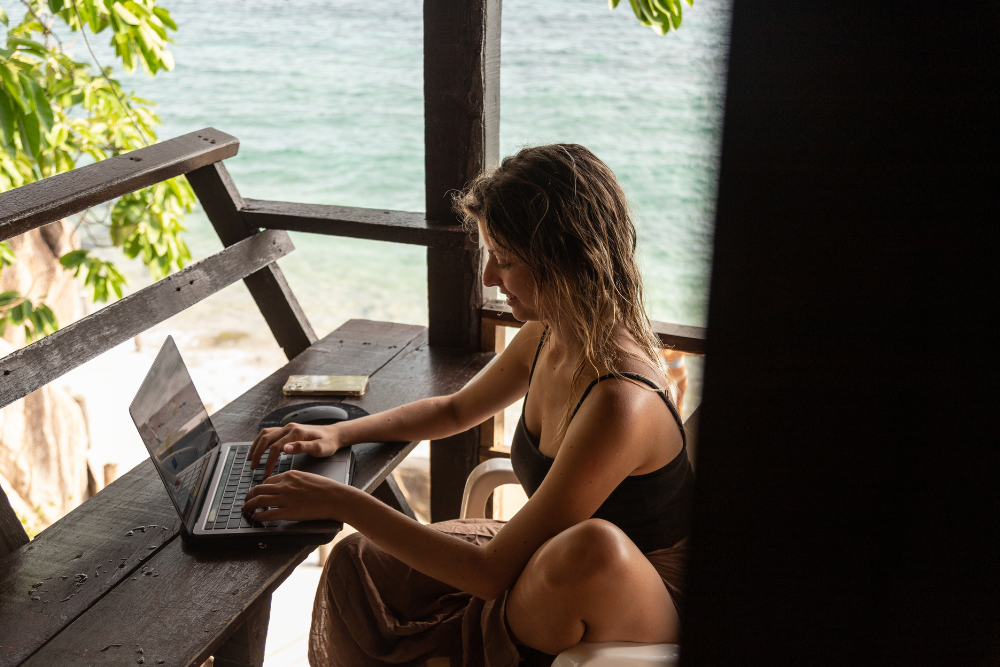
Costa Rica’s digital nomad visa is now highly sought after by remote workers looking to live abroad without leaving their careers behind. It attracts freelancers, employees, founders, business owners, and service providers seeking a legal way to stay in Costa Rica while working for clients or companies elsewhere. For many, it offers an opportunity to live in a beautiful place while keeping their current job.
The visa’s popularity comes from Costa Rica’s unique blend of nature, strong infrastructure, travel connectivity, and a laid-back lifestyle. You can work from a peaceful home base, attend calls, and still spend time by the beach, in the mountains, or exploring new areas. That balance is central to its appeal.
The application process often seems confusing at first. People want to know who qualifies, how long they can stay, what documents are needed, and if internet access is reliable for remote work. They also ask what daily life is like in San Jose and beach towns.
In this guide, we will explain how the digital nomad visa program in Costa Rica works, why so many remote workers choose Costa Rica, what internet and daily life look like in key areas, what challenges people face during relocation, and how NomaVida’s relocation specialists support digital nomads with personalized advice and logistics throughout their move.
Why is the Digital Nomad Visa for Costa Rica So Popular with Remote Workers?
Remote workers choose Costa Rica for more than its scenery—it offers a lifestyle that works long-term. The country blends beaches, mountains, rainforests, wildlife, and a relaxed culture, along with strong connectivity and established expat communities.
That combination matters. Many remote workers are not looking for a short vacation. They are looking for a place where they can do serious work and still feel like they are living well. Costa Rica gives many people that feeling. You can work online during the day and still enjoy fresh air, outdoor time, and a stronger sense of balance.
Costa Rica also has a welcoming feel for newcomers. Many towns and neighborhoods already have expats, entrepreneurs, and digital nomads living there. That means it is easier to meet other people who understand remote work and international living. Coworking spaces, cafes, gyms, yoga studios, and local events often make it easier to build community.
Travel access is another big reason people choose this path. Costa Rica is close to the United States and Canada. Both international airports offer many direct flights. Juan Santamaria International Airport near San Jose and the Liberia airport in Guanacaste make it easier to travel in and out of the country. Costa Rica also offers direct flights to major European cities like Paris, Madrid, and Amsterdam. These connections help remote workers stay connected to family, business, and travel plans.
What Is the Digital Nomad Visa Program in Costa Rica?

The digital nomad visa program in Costa Rica was created for people who work remotely for employers or clients outside Costa Rica. It provides qualified applicants with a legal way to remain in the country for an extended period while continuing their remote work.
This program is especially valuable because it lets remote workers enjoy Costa Rica’s lifestyle without needing to start a local business or switch employers. Professionals can continue working with their current clients and maintain their career paths while making Costa Rica their new home base.
The visa benefits those seeking extended time in Costa Rica, freeing remote workers from the limitations of short-term tourist visas and allowing them to build real routines and stability.
Planning is essential to get the most from the visa. Understanding requirements, preparing documents, and following the rules helps remote workers settle legally and smoothly—one reason many seek expert support for this transition.
Is the Internet Strong Enough for Working Online in Costa Rica?
Yes, in many parts of Costa Rica, the internet is strong enough for serious remote work. This is one of the biggest concerns for digital nomads, and it is one of the first things people ask before choosing where to live.
High-speed internet in Costa Rica is widely available through fiber-optic, cable, mobile data, and satellite services. In urban areas and key beach towns, remote workers can often access speeds that support video calls, file uploads, cloud tools, and full days of online work.
Top internet options include Itellum for dedicated fiber, Kolbi through ICE, Tigo, Liberty, and Starlink for areas where traditional service is not available. Telecable and other cable or hybrid providers also offer good options in larger towns. Mobile internet through Kolbi, Claro, and Movistar can also work well as a backup.
For digital nomads, the core need isn’t just general internet access—it’s reliable service at your specific home or apartment that matches your work requirements. Checking the coverage beforehand helps ensure a smooth workflow.
What is the Internet Like in San Jose for Digital Nomads?
San Jose is one of the easiest places in Costa Rica for remote workers who want city convenience and strong connectivity. It offers easier access to modern neighborhoods, private health care, shopping, restaurants, business services, and daily essentials.
From an internet perspective, San Jose is among the strongest choices in the country. Fiber service is common in many neighborhoods, making it a practical starting point for remote workers learning the country and deciding where to settle long-term.
San Jose is ideal for remote workers who need reliable connectivity, frequent meetings, or heavy file uploads. The city’s infrastructure supports work demands, while providing beach access for weekend relaxation—a setup that maximizes both productivity and lifestyle.
What is the Internet Like in Costa Rica’s Beach Towns?
Many digital nomads do not come to Costa Rica to live only in the city. They come because they want beach life, ocean air, and a more relaxed daily rhythm. The good news is that many beach towns now offer reliable internet for remote professionals.
Tamarindo and the surrounding areas are popular because they combine beach living with a more developed expat scene. Many remote workers choose Tamarindo because it has rentals, restaurants, services, and internet options that make daily work life easier.
Jaco and nearby Playa Hermosa are also strong choices. They are popular with surfers, business owners, and remote workers who want access to the coast while staying within reach of San Jose. These areas can be a good fit for people who want beach access without feeling too far from city services.
Manuel Antonio and the surrounding areas attract digital nomads seeking a greener setting with robust tourism infrastructure. Nosara and the surrounding areas are especially popular with people who value wellness, yoga, surfing, and a quieter pace. Samara is also well-liked by expats and remote workers who want a friendly beach town that feels laid back and livable.
The Nicoya Peninsula is especially popular with digital nomads. Towns like Malpais and Santa Teresa have built a strong reputation among remote workers, founders, creatives, and entrepreneurs. These towns offer a mix of surf culture, community, and beautiful scenery that many digital nomads love.
Santa Teresa and Nosara are especially loved by Lynette, cofounder of NomaVida. Lynette is a digital nomad who works online as a marketing partner for small businesses and travels the world while also spending time in beautiful destinations across Costa Rica. Her experience gives her a real understanding of what remote workers need when they are choosing where to live and work.
Silvia, the Lead Costa Rica Concierge and cofounder of NomaVida, is also a digital nomad with a similar travel style. She works online, supporting her clients from home and from various destinations in Costa Rica and around the world. That means both cofounders understand this lifestyle firsthand, not just from a service point of view, but from daily lived experience.
What Kind of Internet Setup Works Best for Digital Nomads in Costa Rica?

The best setup depends on the kind of work you do. Some people mainly use email, messaging, and web tools. Others spend all day on video calls, uploading large files, managing client systems, or running teams online. Those workers need a more robust, reliable setup.
Fiber optic is usually the best choice when available. Dedicated fiber can be especially helpful for people who need high uptime and strong upload performance. This matters for video calls, cloud backups, and sending large files. Symmetrical speeds are especially helpful because they support both downloads and uploads more evenly.
Cable and hybrid services can also work well in many towns. These plans are often more affordable and widely available. In more remote or mountain areas, Starlink has become a very useful option for people who need reliable high-speed service where cable or fiber is not available.
Many experienced digital nomads also use a backup plan. That could mean mobile data, a second internet line, or satellite service. Having a backup can make a huge difference when your work depends on being online every day.
What Is Daily Life Like After Getting the Digital Nomad Visa?
Daily life for digital nomads in Costa Rica often blends work with outdoor living. Many people start the day early because of the light and the climate. They may answer emails with coffee on a terrace, go for a walk before work, or fit in a surf or yoga session before opening the laptop.
Workdays can still be full and serious, but the setting changes how they feel. Lunch might come from a local cafe or a nearby organic market. Breaks might include time spent outside rather than sitting in traffic. Evenings might mean a beach sunset, dinner with friends, or a quiet night at home listening to the rain.
The lifestyle also makes it easier for many remote workers to feel more balanced. They may still work hard, but they often feel healthier and more grounded while doing it. That is one reason this path is so attractive.
For people like Lynette and Silvia, this is not just a dream lifestyle. It is their real life. They both understand how to work online, serve clients well, and still enjoy the beauty and flexibility that Costa Rica offers digital nomads.
What Challenges Do Remote Workers Face in Costa Rica?
Even with a strong visa option, moving to another country still takes effort. The first challenge is paperwork. People need to understand the rules, prepare the necessary documents, and ensure everything is complete.
The second challenge is choosing the right location. A town may sound perfect online, but the actual home may not have the internet, space, or work setup you need. A place can be beautiful and still not fit your work rhythm.
The third challenge is communication. Many services and official systems operate in Spanish. Even when people are friendly and helpful, handling everything from abroad can still feel overwhelming.
There is also the challenge of building a real daily life. Finding the right gym, grocery store, doctor, cafe, or neighborhood takes time. Making friends takes effort. Creating a routine in a new country is rewarding, but it does not happen overnight.
How Does NomaVida Help with Digital Nomad Visa and Relocation?

NomaVida helps remote workers navigate the relocation process with greater clarity and less stress. That support can be especially helpful when you are trying to manage both visa planning and practical details like housing, local communication, daily setup, and understanding which parts of Costa Rica best match your work style.
NomaVida helps bridge the gap between newcomers and local systems. Bilingual support can make it easier to understand documents, communicate with providers, and organize the moving pieces of the relocation process.
What makes this support especially valuable is that it comes from real experience. Lynette and Silvia are not just helping digital nomads from the outside. They live this lifestyle themselves. They understand what it means to work online, travel often, serve clients well, and still want a life that feels beautiful and manageable.
That insight can help clients avoid common mistakes. It can also help them choose locations that support both their work and their lifestyle goals. For digital nomads, that kind of support matters because the move is not only about legal stay. It is also about living well once you arrive.
How Can You Start Your Digital Nomad Visa Journey with Confidence?
A digital nomad visa in Costa Rica can be a great option for remote workers seeking a legal path to live in the country while retaining their foreign income and building a more flexible lifestyle. The opportunity is exciting, but the process works best when you plan ahead and choose support that understands both the legal and practical sides of the move.
It helps to understand the visa process, prepare your documents, and think carefully about where you want to live. Internet planning matters just as much as immigration planning, especially if your work depends on calls, uploads, and daily connectivity. Costa Rica offers real options in San José and in popular beach towns like Tamarindo, Jacó, Playa Hermosa, Manuel Antonio, Nosara, Samara, Malpás, and Santa Teresa.
NomaVida helps digital nomads navigate that move with bilingual support, local knowledge, and real experience living this lifestyle. If you are considering the digital nomad visa in Costa Rica and want help planning your relocation, get more information, request a quote, or book your appointment now to learn how NomaVida can help you begin with confidence.