Moving to Costa Rica: What Should You Know Before Relocating?
Moving to Costa Rica is a life goal for many expats, families, retirees, and digital nomads who want a calmer, healthier, and more meaningful way of life. Moving to Costa Rica is about more than changing your address. It is about choosing a country where nature, family, community, and daily well-being often matter more than rush, noise, and pressure. For many people, moving to Costa Rica feels like a chance to slow down and build a better future.
At the same time, moving to Costa Rica can raise many questions. People want to know how much it costs to live here, how healthcare works, whether schools are good, and what everyday life is really like for foreigners. They also want to know how to handle paperwork, banking, property, transportation, and local systems that may feel very different from what they know back home.
For some people, the decision is deeply personal. They may be tired of political discord in their home country. They may feel stressed by high living costs, social pressure, or an environment that no longer aligns with the lives they want for themselves or their children. Many people are not just looking for sunshine. They are looking for peace, safety, community, and a more grounded way to live.
In this guide, we will explain why so many people are moving to Costa Rica, the challenges they may face upon arrival, and how NomaVida helps make the relocation process easier. We will also share real-world experience from people who made the move and built a new life here with support, local knowledge, and confidence.
Why Are So Many People Moving to Costa Rica?
Many people start thinking about moving to Costa Rica because they want a different kind of life. They want a place that feels calmer, friendlier, and more connected to nature. They want more time with family. They want less stress. They want to live in a country where daily life feels more human.
For some, the push begins in their home country. Political tension, social division, rising living costs, and a fast-paced culture can leave people feeling drained. They begin to wonder if there is another way to live. Costa Rica often stands out for its peace, beauty, and a more balanced lifestyle.
Costa Rica is known for its stable democracy and peaceful culture. The country does not have an army, and that matters to many people seeking a more peaceful national identity. There is a strong sense here that life should be lived, not rushed through. The phrase pura vida reflects a mindset that values gratitude, simplicity, and connection.
That peaceful culture can feel especially important for families. Many parents want their children to grow up in an environment with more freedom, more nature, and less pressure. They want kids to spend more time outside, more time with family, and less time in a constant state of stress. Costa Rica offers that possibility for many people.
The lower cost of living is another major reason people choose Costa Rica. While costs depend on location and lifestyle, many expats feel they can enjoy a better quality of life here than they could in many cities in the United States, Europe or Canada. Housing, fresh local food, household help, and many daily services can be more affordable. That can give people more room to enjoy life instead of always feeling behind.
Healthcare is also a major reason people consider moving here. Costa Rica offers both public and private healthcare, and many expats appreciate having access to both. The public system gives residents access to medical care at a lower cost than many people are used to paying in North America. The private system offers greater flexibility, shorter wait times, and access to many modern clinics and bilingual doctors. For many families, retirees, and remote workers, this mix helps healthcare feel more accessible and manageable.
Education matters too, especially for families with children. Costa Rica offers public education, and there are also many private schools that can be more affordable than private schools in major cities in the United States. Some families choose bilingual or international schools so their children can learn in both English and Spanish. This can help children grow up with strong language skills and a wider view of the world.
Costa Rica also appeals to people who want to buy property, build a home, or start a business. Many expats are drawn by the idea that they can still find opportunities here that would be out of reach in larger, more expensive markets. Some buy land near the beach. Some build homes in mountain towns. Some open businesses or invest in rental properties. For many people, Costa Rica feels like a place where they can still create something meaningful and lasting.
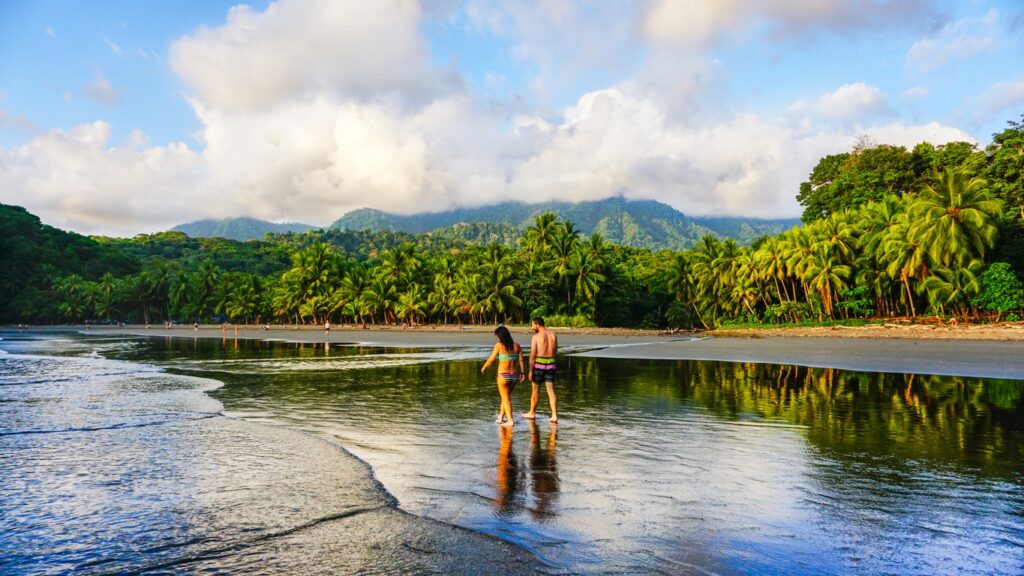
Then there is the biodiversity. Costa Rica is famous for its rich natural beauty and extraordinary wildlife. People are drawn to its rainforests, beaches, volcanoes, rivers, and national parks. In many parts of the country, it is normal to see monkeys, toucans, butterflies, and tropical plants as part of everyday life. Nature is not just something people visit on weekends here. It becomes part of daily living.
Another reason moving to Costa Rica feels practical is how easy it is to stay connected to family, work, and travel abroad. Costa Rica has two major international airports, Juan Santamaria International Airport near San Jose and Daniel Oduber Quiros International Airport in Liberia. Juan Santamaria is the country’s main international airport, while Liberia serves many travelers heading to Guanacaste and other popular beach areas. Both airports offer many nonstop routes, and San Jose currently has nonstop service to dozens of destinations in North America and beyond. Liberia also has a strong network of direct flights, especially to cities in the United States. San Jose also offers nonstop service to major European gateways, including Paris, Madrid, and Amsterdam, making Costa Rica feel much closer to both North America and Europe than many people expect.
For many expats, direct, short flight access is important. It means loved ones can visit more easily, folks can go back home to see friends or family, and business travel feels manageable. It means people can build a new life in Costa Rica without feeling cut off from the rest of the world. For families, retirees, and digital nomads, that balance between peaceful living and easy access is a very real advantage.
For many people, all of these reasons come together in one simple hope. They want to give themselves and their families a better way of life.
How Does Real Experience Show the Benefits of Moving to Costa Rica?

Real experience matters when people are planning a relocation. It helps them see what life can actually look like after the move.
One of the founders of Noma Vida moved to Costa Rica nearly 30 years ago with her children because she wanted to raise them in a very different environment from Los Angeles. That decision became one of the most positive choices she ever made for her family. Her children grew up bilingual and with a strong sense of cultural diversity. That kind of experience shaped how they saw the world and how they connected with other people.
She also found that childhood felt different here. Kids stayed kids a little longer. There was more room for family, more freedom to enjoy the outdoors, and less pressure to grow up too fast. Over time, she and her sister both gained a new understanding of family life in Costa Rica. After marrying Costa Ricans and becoming part of Costa Rican families, they saw how close-knit family life can be here. That sense of connection changed them in meaningful ways over the years.
This kind of lived experience adds an important layer to the relocation process. It is one thing to read about Costa Rica online. It is another thing to hear from someone who built a life here, raised children here, and understands both the beauty and the practical side of making the move.
How Can Moving to Costa Rica Support a Better Life for Families?
For many parents, moving to Costa Rica is not just about escaping stress. It is about building something better for their children.
Many families are drawn to the slower rhythm of daily life. There is often more time for shared meals, outdoor time, and close family relationships. The culture places strong value on family bonds, and many expats find that this changes their own habits and priorities in a positive way.
Children often benefit from being exposed to Spanish and English in everyday life. Bilingualism can open doors in the future, but it also helps kids become more adaptable and confident. Living in Costa Rica can also help children grow up around people from diverse cultures and backgrounds, especially in communities that include both locals and international residents.
Parents also appreciate that life here can feel more grounded. Instead of spending every day in traffic, surrounded by noise and pressure, many families find more space, more nature, and more room to breathe. That shift can support both mental well-being and a stronger family connection.
What Is Healthcare Like After Moving to Costa Rica?
Healthcare is one of the biggest concerns for people planning an international move, and Costa Rica gives many expats peace of mind in this area.
The country offers public medicine through its national health system. Many residents value this because it makes basic and ongoing care more affordable. It can be a strong option for families, retirees, and others seeking dependable coverage at a lower cost.
Private medicine is also widely used, especially by expats and digital nomads who want faster appointments or a more flexible experience. Private clinics and hospitals are available in many parts of the country, and many doctors speak English. This can make a big difference for newcomers who are still learning Spanish.
At the same time, everyday medical situations can still feel confusing when you are in a new country. Even when a doctor speaks English, other parts of the process may not. Nursing staff, lab workers, pharmacy staff, or front desk teams may work mainly in Spanish. That is where local support becomes very valuable.
A good example is Dylan, a longtime visitor who had been coming to Costa Rica on surf trips for many years. He finally decided to buy property in Playa Hermosa, about an hour outside San Jose. He built his dream house and a small guesthouse on the property, and now he lives here full-time. At one point, he became ill and needed medical care. Silvia, Co-Founder of NomaVida, helped connect him with the right doctor, clinic, and hospital. She helped explain the process so he could better understand what was happening and navigate each step with less stress. That kind of support can make a big difference when you are sick, worried, and far from home.
What Is It Like to Build a Home and Life in Costa Rica?

For many expats, moving to Costa Rica begins as a dream and then grows into something much more real. What starts as a vacation destination becomes the place where they want to build a home, buy property, and create a long-term future.
Dylan is a great example of that journey. After years of visiting Costa Rica for surf trips, he decided he wanted more than short stays. He bought property in Playa Hermosa and built the home he had long imagined, along with a guesthouse. Now he lives here full time and enjoys the lifestyle that first Dylan him to the country.
But building a life in a new country takes more than buying land or designing a house. There are many practical details that come up along the way. You may need help finding the right vehicle, understanding contracts, managing local services, or negotiating purchases. Silvia helped Dylan buy a truck that fit his lifestyle so he could haul his surfboard, motorbikes, and four-wheelers. She also helped him negotiate a better price and secure extra maintenance packages. That saved him money and helped him get more value from the purchase.
These details matter. They show that relocation support is not only about paperwork. It is about helping people settle into real life in a smooth, informed, and cost-effective way.
What Challenges Do Expats Face When Moving to Costa Rica?
Moving to Costa Rica is exciting, but the first months can feel overwhelming without help.
Paperwork is one of the biggest challenges. Government processes often require documents in Spanish, official translations, legal forms, or appointments that may not be easy to understand from abroad. Many people are unsure where to begin or what is required for their situation.
Language can also create stress. Even in areas where many people speak English, official systems often operate in Spanish. This can affect everything from banking to real estate to healthcare to school enrollment.
The way systems work may also feel very different from what newcomers are used to in North America. Opening accounts, scheduling services, registering a vehicle, or navigating local procedures may take longer and require more patience than expected. Without local guidance, small tasks can turn into big frustrations.
That is why many expats choose to work with a relocation support service that understands both the local systems and the needs of foreigners.
How Does NomaVida Help When Moving to Costa Rica?
NomaVida provides relocation support for expats, families, and digital nomads who want a smoother move to Costa Rica.
The value of NomaVida comes from real local knowledge, bilingual communication, and direct experience helping people through the steps that matter most. That includes translation, document support, coordination with local providers, and practical guidance during everyday tasks that can feel confusing at first.
NomaVida also understands that every relocation is different. Some people are planning a permanent family move. Some are digital nomads testing life in Costa Rica for the first time. Some are buying property. Some need help with healthcare, transportation, or settling into a new community. The service is shaped around what each client actually needs.
Most of all, NomaVida helps bridge the gap between the dream of moving to Costa Rica and the reality of living here well.
How Can You Start Moving to Costa Rica with Confidence?
Moving to Costa Rica becomes much easier when you have the right expectations, the right support, and a clear plan. The dream is real, but the process works best when you prepare for both the exciting and practical parts.
Many people choose Costa Rica because they want peace, affordability, healthcare options, educational opportunities, natural beauty, and a better way of life for their families. Others come because they are ready to leave behind stress, political tension, or a lifestyle that no longer feels right. Whatever your reason, the move can open the door to a more balanced and fulfilling future.
NomaVida helps expats and digital nomads make that transition with local knowledge, bilingual support, and real experience living in Costa Rica. Whether you are still exploring the idea or ready to begin your move, having the right guidance can save time, reduce stress, and help you feel confident in each step.
Get more information, request a quote, contact us today, or book your appointment now to learn how NomaVida can help you begin moving to Costa Rica with confidence.